
Herbal Tea Recipes for Everyday Rituals
Free brewing guides and seasonal New Zealand herb tips—written for home kitchens, not as medical or commercial advice.
Browse chamomile guidesWhy Herbal Tea Fits Kiwi Kitchens
Across Aotearoa New Zealand, many of us already grow mint in a patio tub or keep dried chamomile in a jar by the kettle. Herbal infusions are a food-style habit: warm cup, measured leaves, a few quiet minutes of preparation. This site gathers recipes and brewing notes you can try tonight, using supermarket herbs, garden clippings, or dried blends from local suppliers. We do not promise specific results from any drink.
We focus on taste, aroma, and everyday comfort rather than dramatic claims. You will find water temperatures, steep times, and pairing ideas (honey, citrus peel, or a splash of plant milk) that respect both tradition and modern food-safety thinking. Whether you live in humid Northland or a cooler South Island flat, small adjustments—lid on the pot, slightly shorter steep in hard water—make a noticeable difference to flavour clarity.
Think of each recipe as a starting point. Your tap water, cup size, and personal preference for strength matter. Keep a notebook: jot the date, herb source, and whether you enjoyed the cup after food or before bed. Over a month, patterns emerge, and your pantry becomes a tailored tea station rather than a random collection of bags.
Featured Blends You Can Master This Week
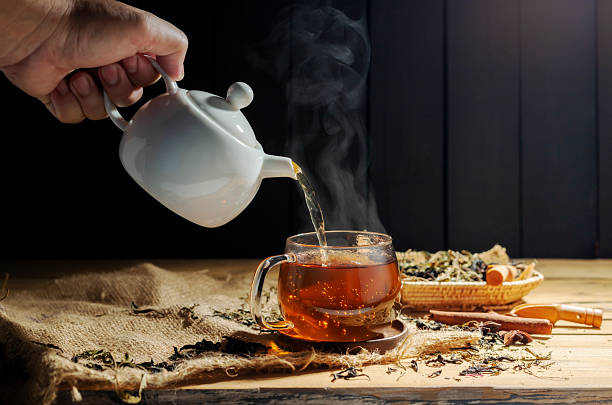
Start with four approachable profiles that suit different moments of the day. Chamomile flower tea leans floral and mild—lovely after dinner when you want something caffeine-free. Peppermint and spearmint blends feel brisk and cooling; many people enjoy them mid-afternoon instead of a second coffee. Lemon balm brings a gentle citrus-herb note that pairs well with a thin slice of fresh lemon. Ginger with turmeric offers a warming, spicy cup that shines in winter, especially with a little black pepper and honey.
Each guide on this site walks through dried versus fresh weights, recommended vessels (cup, small teapot, or French press used only for herbs), and how to avoid bitter notes from over-steeping. We also note when to strain immediately and when a covered steep helps release volatile oils without losing aroma.
Brewing Fundamentals That Actually Matter
- Water quality. Filtered or freshly boiled tap water is fine for most herbs. Very chlorinated water can flatten delicate florals; let the kettle cool thirty seconds before pouring on chamomile.
- Temperature. Soft herbs (chamomile, lemon balm) like water just off the boil, around 90–95°C. Tough roots and spices (ginger, turmeric) benefit from a gentle simmer in a small saucepan for five to eight minutes, then strain.
- Ratio. A practical home ratio is one heaped teaspoon dried herb per 250 ml cup, or two teaspoons fresh leaves lightly packed. Roots need slightly more volume because they are dense.
- Time. Five to seven minutes is a sweet spot for many leaves; ten minutes can taste sharp or dusty. Set a timer—multitasking is how bitterness happens.
- Storage. Keep dried herbs in airtight jars away from sunlight and the stove. Label with the month opened; aroma fade is your cue to refresh stock.
A lid on your cup or pot traps steam and helps volatile oils stay in the liquid—simple, free, and surprisingly effective for aroma.
Seasonal Herbs in New Zealand Gardens
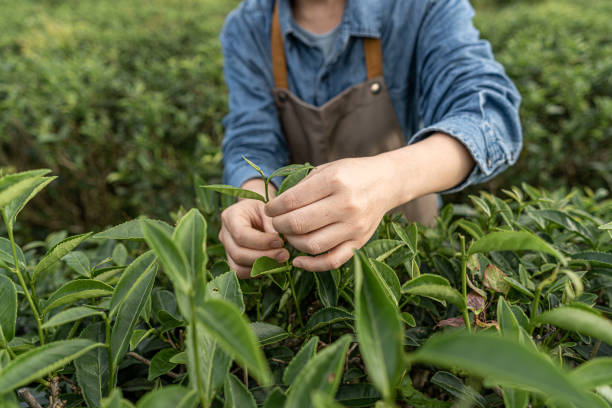
New Zealand’s mild regions support perennial mint, lemon balm, and often chamomile if sown in spring. In cooler areas, pots near a north-facing window extend the season. Harvest in the morning after dew dries: snip stems, rinse gently, and pat dry before steeping fresh or hanging small bundles to air-dry indoors away from direct sun.
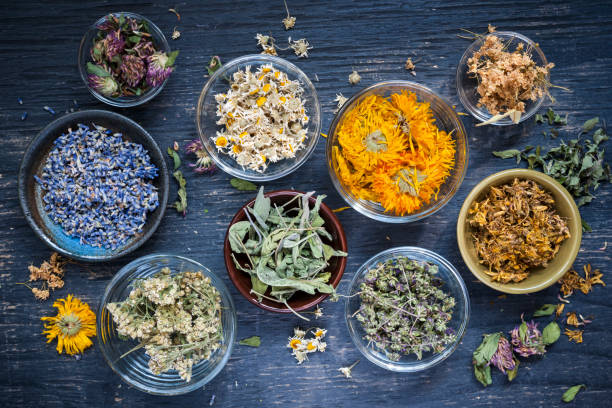
For dried purchases, look for whole flowers and leaves rather than dusty powder—intact plant material usually means slower, more even extraction. Farmers’ markets and specialty grocers in Rotorua, Wellington, and Christchurch often stock local dried blends; ask how the herbs were dried and stored. When foraging, never pick from roadsides or sprayed verges; identification must be certain.
- Spring: sow chamomile and lemon balm; light peppermint tip harvests.
- Summer: peak fresh mint; dry surplus on racks.
- Autumn: root harvest for ginger-style blends if you grow in tubs.
- Winter: rely on dried stock; shorter steeps in hard water.
Health & Safety Guidelines
Who should check with a qualified professional first
Pregnant or breastfeeding people, anyone on prescription medicines, and those with known plant allergies should confirm suitability before regular herbal use. Peppermint may not suit everyone with reflux sensitivity; chamomile belongs to the Asteraceae family, which matters for some allergy profiles.
Safe kitchen habits
Wash fresh herbs, use clean utensils, and refrigerate any pre-made chilled infusions within two hours of brewing. Discard cloudy or off-smelling liquids. Keep caffeine-free does not mean risk-free: quantity and frequency still matter.
We share general lifestyle information only. If you feel unwell, contact a registered health provider in New Zealand—do not rely on tea blogs for clinical decisions. Children should be offered only weak, age-appropriate portions under adult supervision.
Events Calendar
Join community tastings and beginner brewing workshops across New Zealand. Spaces are limited; arrive a few minutes early to sample caffeine-free cups responsibly. Free events are labelled on our calendar; any paid workshop shows the NZD price before booking. See event and refund terms.
| Date | Event | Location |
|---|---|---|
| 14 June 2026 | Winter Warmers: ginger & spice cupping | Rotorua community hub |
| 9 August 2026 | Backyard herbs: drying & storage demo | Wellington gardeners’ meet-up |
| 21 September 2026 | Spring infusions: chamomile & lemon balm | Christchurch market kitchen |
| 12 November 2026 | Evening tasting: caffeine-free ritual cupping | Auckland home-studio session |
FAQs
How much dried chamomile per cup?
Start with one heaped teaspoon per 250 ml water, steeped covered for five to six minutes. Adjust to taste; whole flowers often need less than crushed dust-grade product.
Can I mix peppermint and lemon balm?
Yes—try equal parts for a bright, cooling cup. Steep five minutes, strain, and avoid boiling the leaves violently; it can taste harsh.
Is ginger–turmeric tea okay every day?
Many people enjoy it occasionally as a food-style drink. Daily large amounts are not discussed here; consider your personal context and professional guidance if unsure.
Why does my tea taste bitter?
Over-steeping, too much leaf, or water that sat too long off the boil are common causes. Use a timer and slightly reduce herb quantity next round.
Start Your Next Cup with a Single Recipe
Pick one herb you already have at home. Read its dedicated page for step-by-step photos in text form, pairing ideas, and storage notes. Brew once in the afternoon and once in the evening—compare aroma and mouthfeel. Share what you learn with friends as kitchen tips, not as promises about outcomes.
Our guides link to each other so you can build a small rotation: mild florals on quiet evenings, mint on busy workdays, warming spices when the weather turns. Keep cups moderate, enjoy the ritual, and treat herbs as flavourful plants worth respect and curiosity.
Try ginger & turmeric guideTransparency for Our Readers
Shouldersauclean.world is operated from Rotorua, New Zealand. We publish free guides about home herbal tea preparation—nothing on this site is paid medical advice, and we do not sell tea or supplements here.
- Business contact: ask@shouldersauclean.world, +64 21 085 14229
- Address: Rise Dance Studios, Level 2/1179 Eruera Street, Central, Rotorua 3010, NZ
- Editorial focus: flavour, brewing technique, and food-safe kitchen habits
- Policies: Privacy, Terms, Cookies