
Chamomile Tea: Gentle Floral Cups
Whole flowers, gentle aroma, and a reliable caffeine-free steep for quiet evenings.
Jump to classic recipeUnderstanding Chamomile for Home Brewing
Chamomile tea is made from the dried flower heads of plants in the Matricaria and Chamaemelum genera—most home brewers use German chamomile (Matricaria chamomilla) for its apple-like scent. The cup is naturally caffeine-free and prized for its soft, honeyed flavour rather than punchy bitterness. In New Zealand, you can buy whole flowers from health-food aisles or grow a small patch in free-draining soil; flowers are picked when petals begin to arch back from a bright yellow centre.
Unlike black or green tea, chamomile contains no tea-leaf tannins from Camellia sinensis. Its mouthfeel comes from flavonoids and essential oils that dissolve gently in hot water. That means timing matters: a short, covered steep highlights florals, while a long soak can taste muddy or overly earthy. Many people enjoy chamomile after meals or before bed as a comforting ritual—think of it as a warm, aromatic pause, not a substitute for personalised health guidance.
Store dried flowers in a dark glass jar with a tight lid. Crush them lightly only if you want faster extraction; whole buds look beautiful in a glass teapot and strain cleanly through a fine mesh. If you blend with other herbs, keep chamomile as the majority so its delicate profile still shines through.
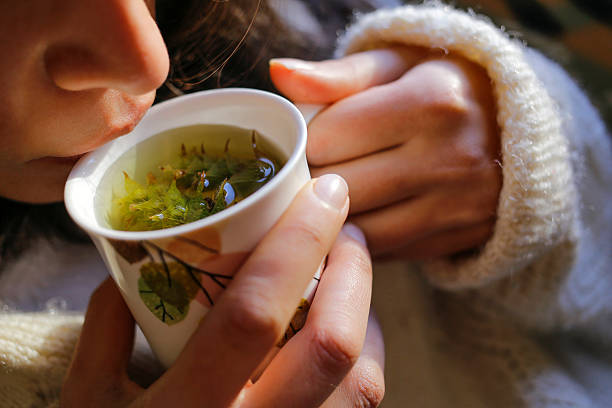
Classic Cup Recipe (250 ml)
- Heat fresh water to about 95°C—kettle off the boil for thirty seconds works well.
- Add one heaped teaspoon whole dried chamomile (or two teaspoons fresh flowers) to a cup or small pot.
- Pour water, cover, and steep five to six minutes.
- Strain and taste; add a thin strip of orange peel or a few drops of runny honey if desired.
For a pot serving four, use three teaspoons dried flowers in 750 ml water and pour through a strainer into cups at once so strength stays even. A second steep is possible with quality whole flowers but will be lighter—some drinkers prefer a fresh scoop instead.
Caffeine-free 5–6 min steepFlavour, Tradition & Published Plant Chemistry
Chamomile contains essential oils such as bisabolol and chamazulene, which contribute to its characteristic scent. Published laboratory studies describe these compounds in general terms; they do not prove that any home-brewed cup will affect your health in a specific way. Historically, European kitchens used chamomile infusions as a mild, pleasant drink after long days—tradition and taste drove use long before modern analytics.
Many people enjoy a familiar evening cup as part of a personal routine (dim light, quiet moment, phone set aside). That experience is subjective and separate from medical treatment. If you are curious about plant chemistry, read peer-reviewed summaries rather than social media claims, and remember that dried herb quality varies by harvest and storage.
Aroma profile
Apple-hay florals, light sweetness, minimal astringency when steeped correctly.
Pairings
Lavender (pinch only), vanilla bean scrap, or lemon balm for layered floral notes.
Serving idea
Serve in a pre-warmed cup; cool rooms in NZ winters make temperature drop quickly.
FAQs — Chamomile
Matricaria vs Roman chamomile—does it matter?
German chamomile is common in tea bags and loose blends. Roman chamomile (Chamaemelum nobile) has a slightly different scent; both can be steeped similarly, but check plant ID if you grow your own.
Why is my cup bitter?
Too much herb, water boiled dry and re-boiled, or steeping beyond eight minutes. Reduce quantity and use a timer.
Can children drink chamomile tea?
Many families offer weak, occasional cups to older children. Ask a qualified professional about age-appropriate amounts and allergy history, especially if Asteraceae sensitivity runs in the family.
Blend Idea: Chamomile & Lemon Balm Evening
Mix two parts chamomile to one part dried lemon balm. Steep covered for five minutes, strain, and sip slowly. The lemon balm adds a gentle citrus-herb top note without caffeine. Avoid adding boiling water directly onto leaves in an open mug—use a lid or saucer to trap aroma. This blend suits readers who want a rotation between single-herb nights and a slightly more complex flavour. For more on lemon balm ratios, visit our lemon balm page.
Keep a simple log: date, herb batch, steep time, and whether you preferred the cup plain or with honey. Over two weeks you will know your ideal strength without guessing.
Share your brewing question