
Peppermint Tea: Cool, Bright & Garden-Fresh
From window-box spearmint to dried peppermint leaves—steep with confidence.
Fresh mint recipePeppermint vs Spearmint in Your Cup
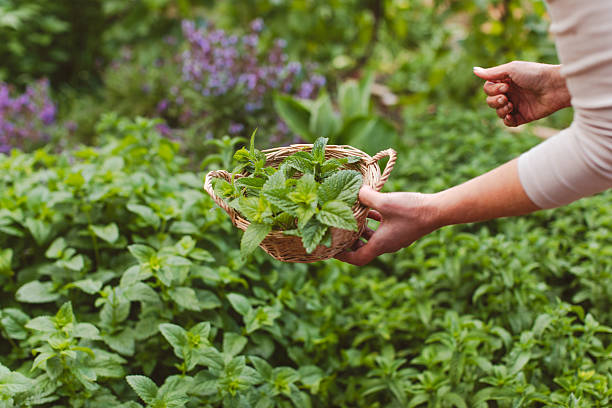
Peppermint (Mentha × piperita) carries a high menthol note that feels icy on the palate; spearmint (Mentha spicata) is sweeter and softer. Both brew well as caffeine-free infusions. In New Zealand gardens, mint spreads vigorously—grow in pots with drainage holes to keep it contained. Pick top leaves and stems before the plant flowers for the cleanest flavour; mid-morning harvest after dew dries is ideal.
Dried peppermint from shops offers consistency year-round. Fresh sprigs need slightly more mass because of water content—roughly double the volume compared with dried. Always bruise fresh leaves lightly between your fingers before steeping to release oils, but avoid shredding them to a pulp, which can make the cup murky.
Many people enjoy peppermint after lunch as a palate refresher. It pairs with chocolate desserts as a light counterpoint. If you find menthol overwhelming, shift toward spearmint or blend the two for balance.
Fresh Garden Mint — Iced or Hot
For one large mug: take six to eight fresh spearmint leaves with stems, rinse, and place in a heat-safe glass. Pour 250 ml water at about 90°C, cover, and steep four to five minutes. Remove leaves promptly. For iced tea, double the leaves, steep five minutes, then pour over ice; add a slice of cucumber for a spa-style twist common in NZ summer gatherings.
- Hot steep: 4–5 minutes, covered.
- Dried leaf: 1 tsp per 250 ml, 5 minutes.
- Do not boil leaves in rolling water—it flattens aroma.
Health & Safety Guidelines
Peppermint tea is widely consumed as a food-style drink, yet concentrated menthol can feel intense for some stomachs. If you notice discomfort after mint, try weaker steeps or switch to spearmint. People with gastro-oesophageal sensitivity sometimes prefer milder herbs—listen to your body and seek professional advice when needed.
Essential oils are not the same as tea: never drink peppermint oil neat. Stick to leaf infusions. Keep pots away from toddlers; hot water remains the main risk in the kitchen. This site shares lifestyle information only—not clinical guidance.
Sensory Notes & Buying Tips
Studies examine menthol’s interaction with cold receptors on the tongue, which explains the “cool” sensation even in a hot cup. Traditional Middle Eastern and European tables have served mint tea for centuries, often heavily sweetened—your version can stay unsweetened to taste the herb clearly.
Antioxidant content varies with drying method. Shade-dried leaves sometimes retain greener colour and brighter aroma than harsh heat drying. When buying, smell the bag: a faint hay note is fine; musty odours mean compost, not tea.
Tip: crush one dried leaf between your fingers before buying a large bag—aroma should be immediate and minty, not flat.
Compare with chamomileChocolate Mint Dessert Steep (Occasional Treat)
Steep one teaspoon dried peppermint with one teaspoon cacao nibs in 300 ml hot water for six minutes. Strain, add a splash of warm milk, and skip sugar if the nibs provide enough bitterness. This is a dessert-style cup—rich and best enjoyed in small amounts. Not a daily staple, but a fun winter experiment when friends visit. For a lighter profile, return to plain leaf infusions on regular days.
Back to all guides